

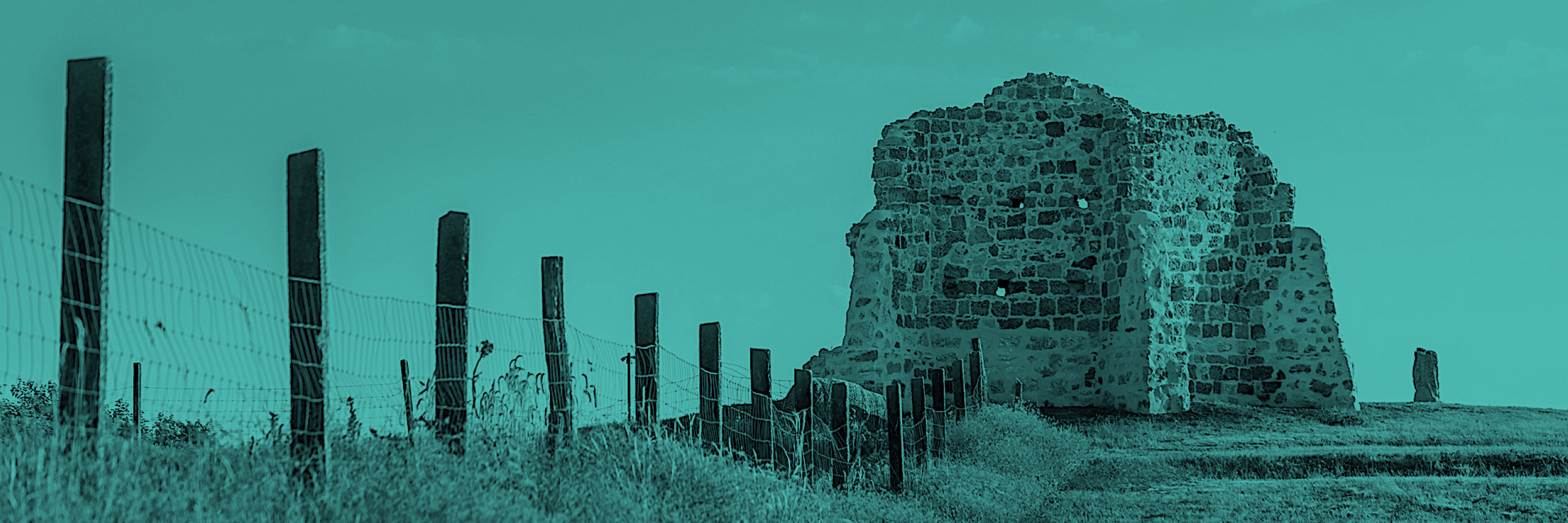
N 47°4.661’ E 19°33.580’
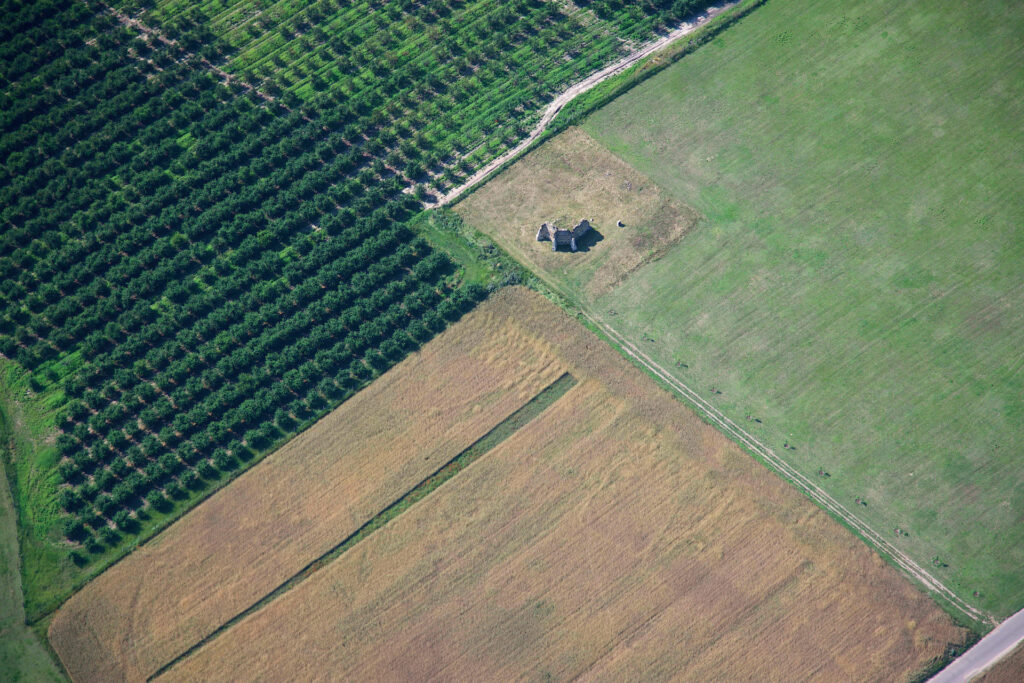
The seventh ruined monument to be restored under the ROM Vándor heritage conservation programme was officially inaugurated in the summer of 2026. Following a year of preparatory and conservation work, the preservation of the protected 14th-century monument known as Pusztatemplom, situated on the outskirts of Lajosmizse, has brought a valuable yet long-forgotten fragment of Hungary’s national heritage back to life. Professionally conserved and structurally stabilised, the surviving fabric of the building is a fine example of Hungary’s evocative architectural ruins.
History of the Ruins
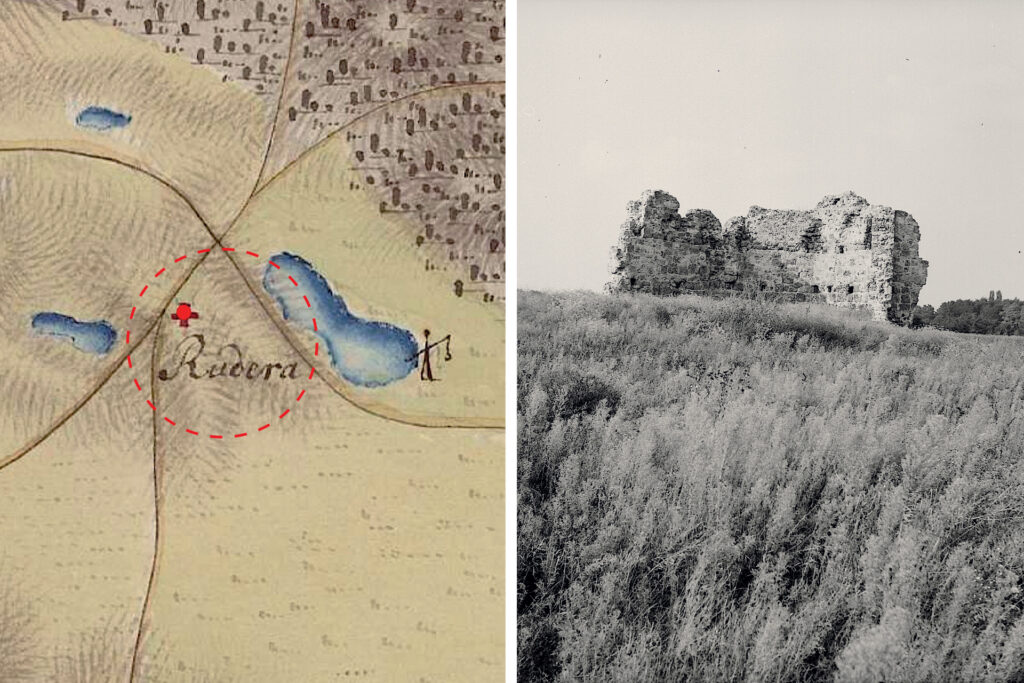
This ruined sacred monument is all that remains of the church of the former Árpádian-period village of Mizse. The settlement is believed to have been established around the turn of the 13th and 14th centuries, when the Cumans settled in this landscape of marshy meadows and open grasslands. It is estimated that in the early 13th century some 300-350 churches may have stood within the territory of the present-day county. Most were destroyed during the Mongol invasion, and the former settlement here suffered the same fate. Several decades of slow recovery followed, during which this Gothic church and the surrounding Cuman village were established. Later, the Battle of Mohács and the subsequent period of Ottoman rule brought another devastating wave of destruction, as a result of which the entire Upper Kiskunság region became depopulated.
From the 18th century onwards, abandoned church ruins served as valuable sources of building material. Within the historic boundaries of Mizse, five churches are known to have been dismantled almost to the last stone and brick; their salvaged masonry survives to this day in farmsteads and ancillary buildings. These dismantled structures disappeared not only from the historic landscape but also from collective memory. In Bács-Kiskun, Hungary’s largest county, covering some 8,400 square kilometres, only four surviving ruined churches are known today. Over the past two centuries, intensive transformation of the landscape and the “recycling” of historic buildings have left the county almost devoid of surviving architectural monuments.
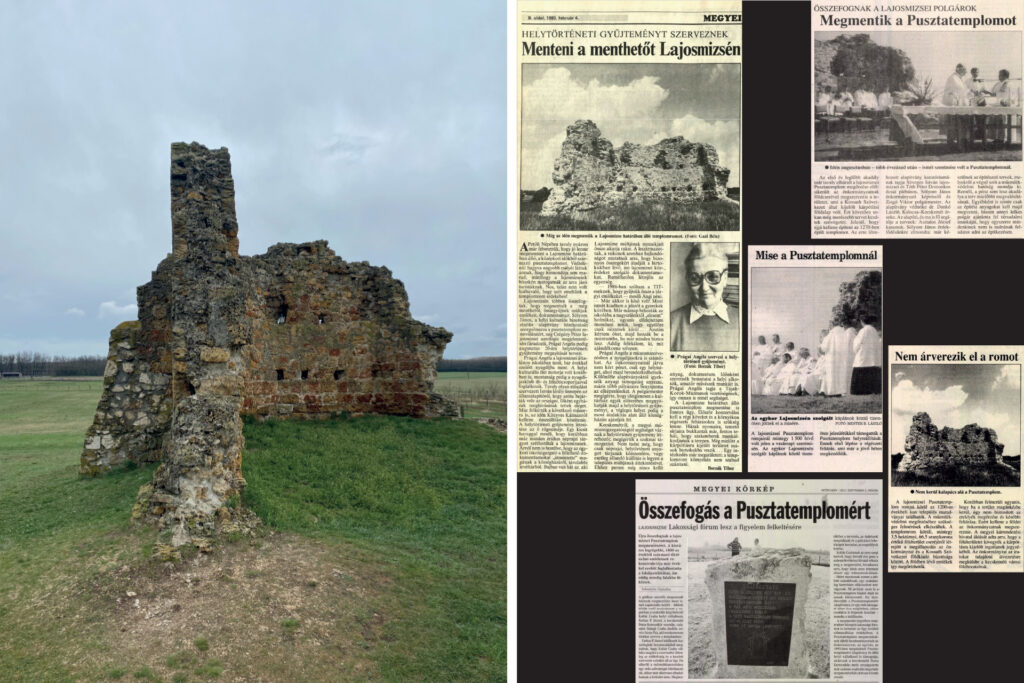
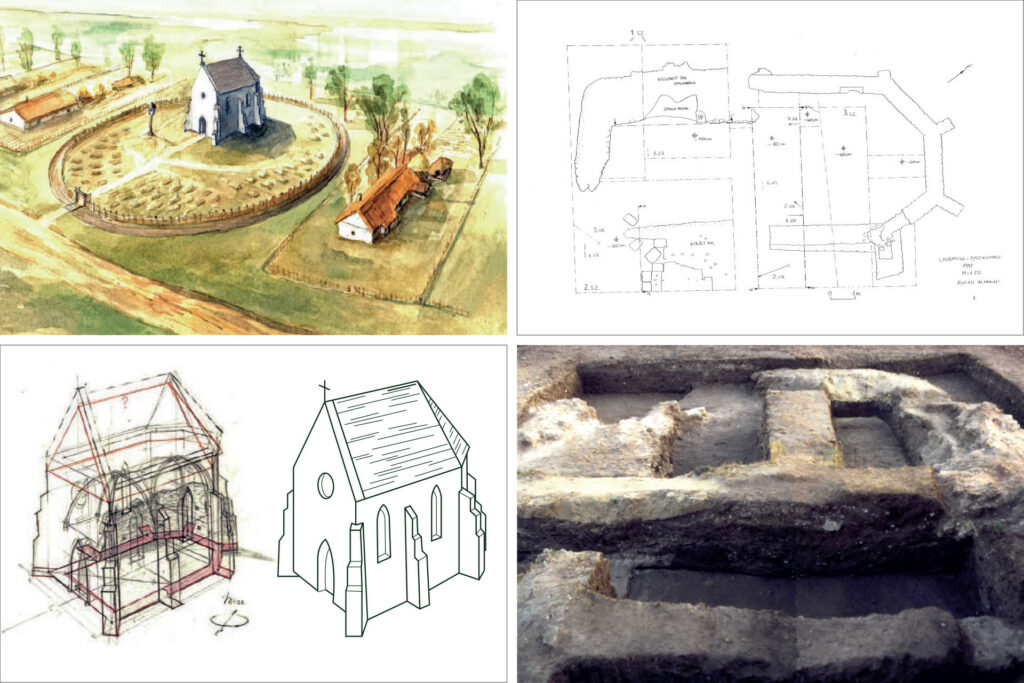
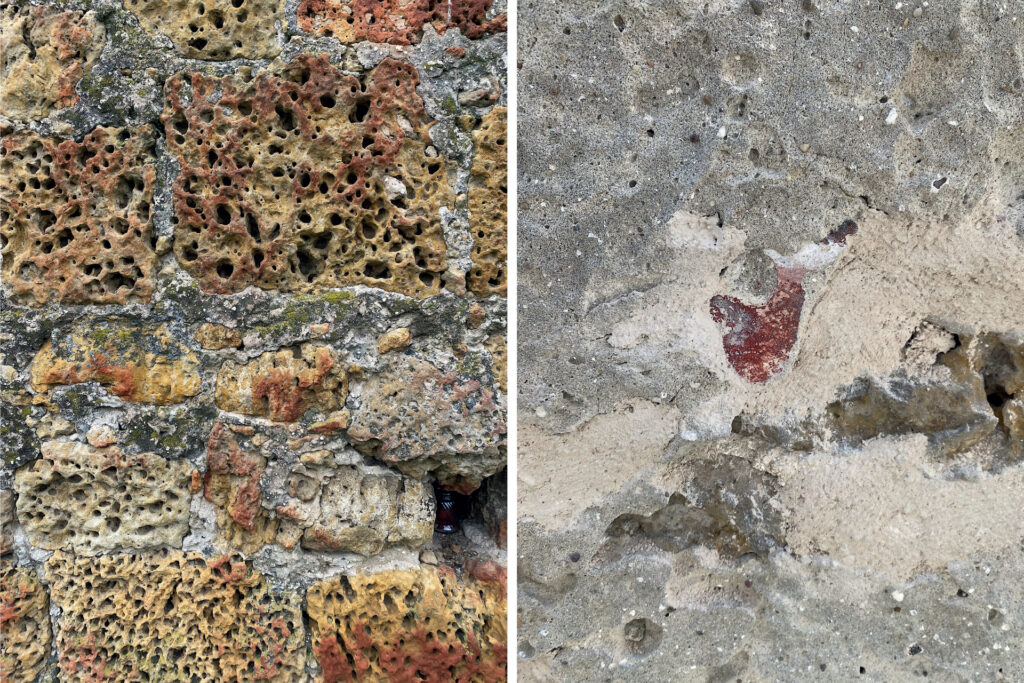
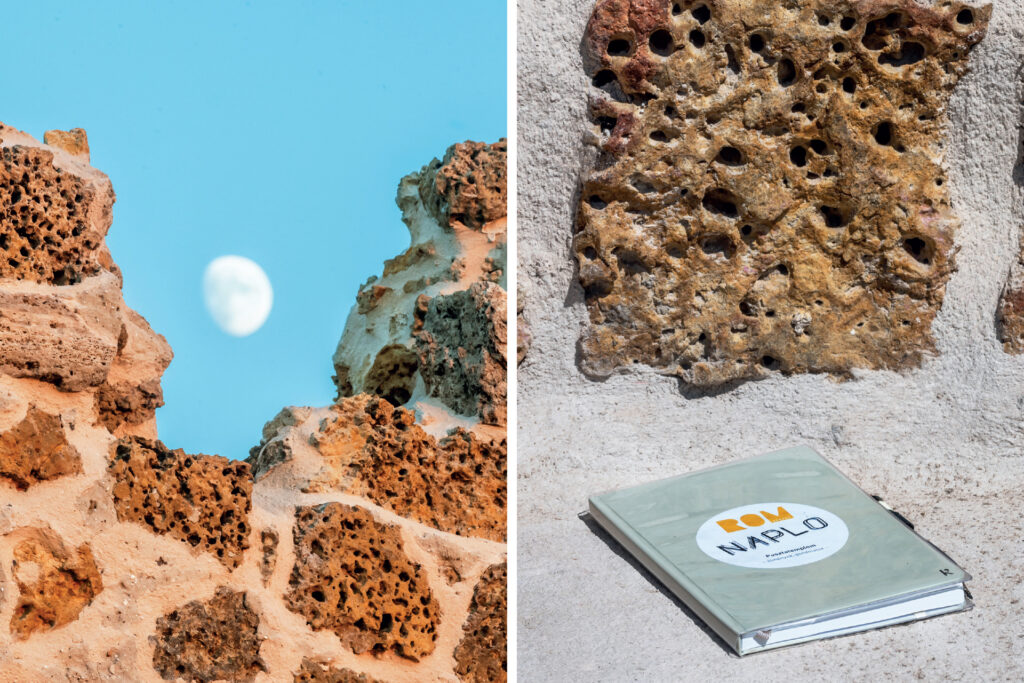
Archaeological investigations were carried out at the site in 1930 and again in the 1990s. On the basis of the excavations, the identified ground-plan configuration and the character of the masonry fabric, the construction of the church was dated to the 14th–15th centuries. Fragments of vaulting recovered from the site suggest that the church may have been vaulted towards the end of the 15th century. The east-facing Gothic church consisted of a single nave and a polygonally terminated chancel of the same width as the nave. On the northern side of the chancel, the remains of a sacrament niche survive, while at its four corners the sockets marking the springing points of the former vault can still be seen. Externally, the plinth course continued around the buttresses. The church was built of porous freshwater limestone, locally known as darázskő (“wasp stone”). The outer and inner faces of the walls consist of dressed ashlar blocks, while the wall core is composed of smaller stones naturally cemented together.
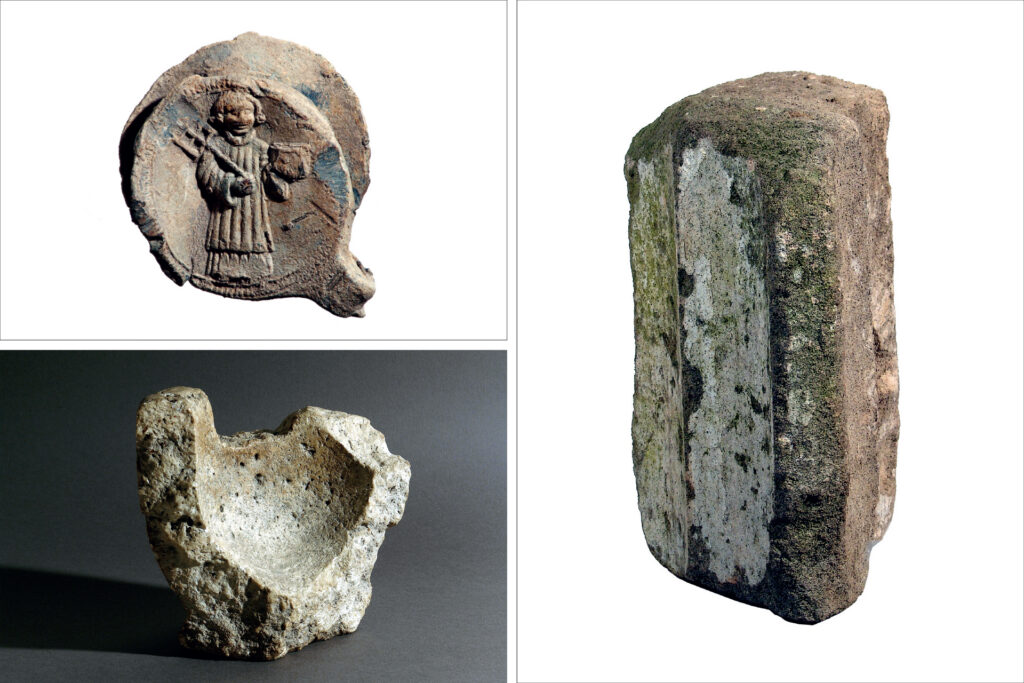
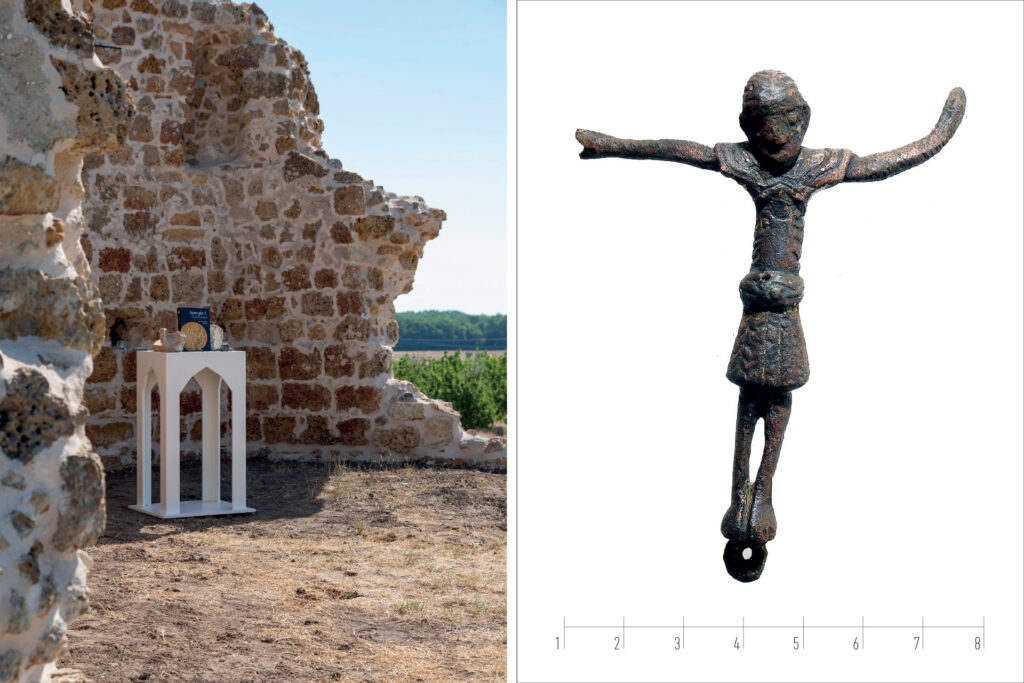
During the 2010s, community archaeology investigations at the former village site of Mizseszállása yielded a significant quantity of metal finds. Alongside objects associated with everyday life – including horseshoes, iron artefacts, coins, jewellery and seal matrices – evidence was also discovered relating to the ecclesiastical life of both the pre-Mongol Hungarian settlement and the later Cuman village. Finds included a substantial fragment of a bell and the corpus from a former processional cross, which would have been carried through the village on feast days.
Saving the Ruins
The professional conservation of Pusztatemplom had long been an important objective for the local community. Several attempts to save the ruins had stalled or ultimately failed over the preceding decades, making the involvement of the ROM Vándor programme both timely and particularly significant.
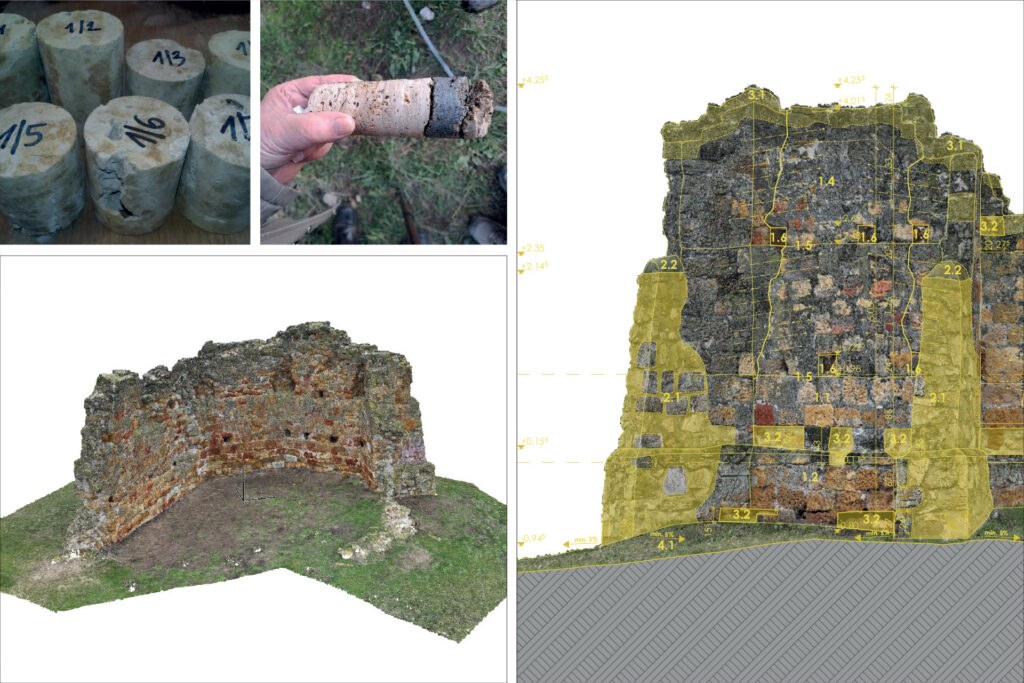
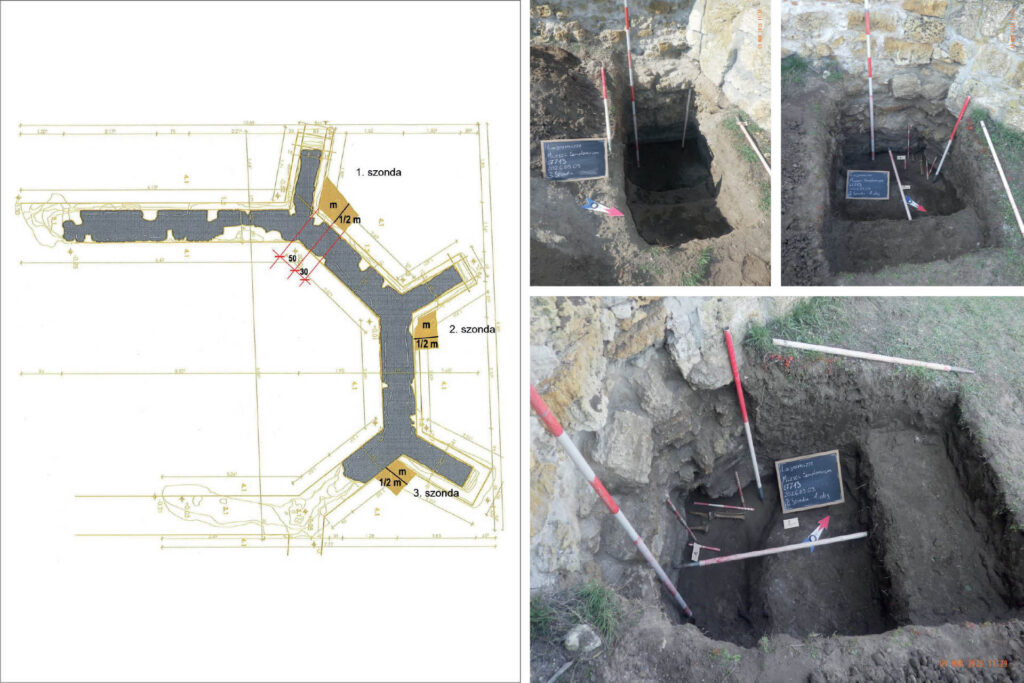
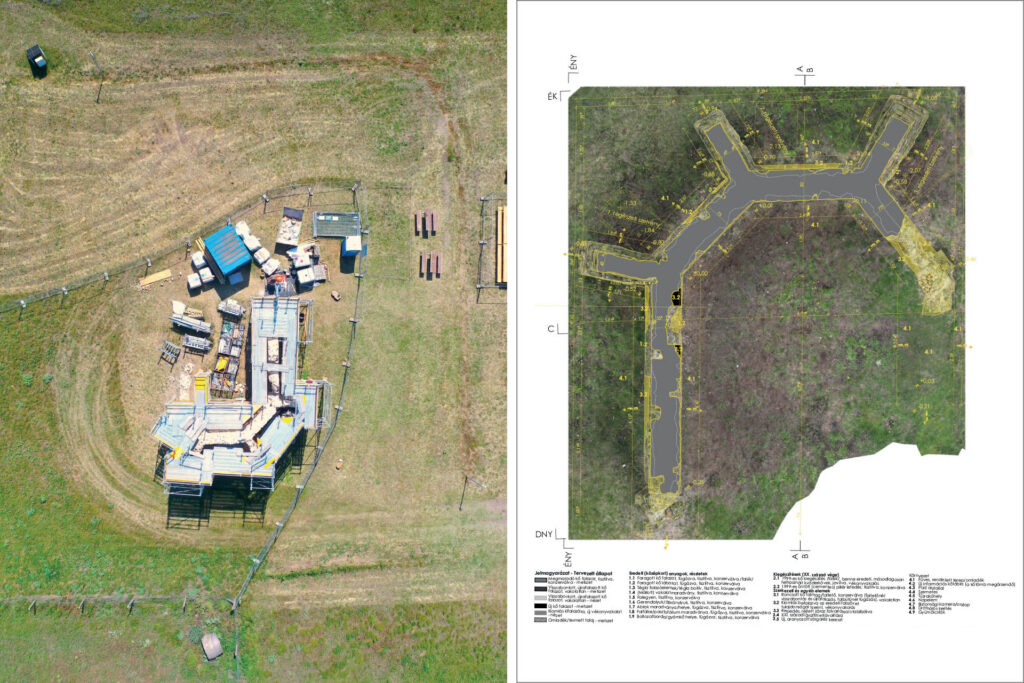
A number of preliminary investigations were undertaken in preparation for the conservation of the medieval church ruins. As part of the preparatory phase, the following works were completed:
- a comprehensive survey of the external and internal masonry using a 3D point cloud and orthophotography;
- materials testing to determine the properties, including strength characteristics, of the historic masonry and mortar;
- assessment of the archaeological investigations required as a basis for the structural calculations.
ROM Vándor
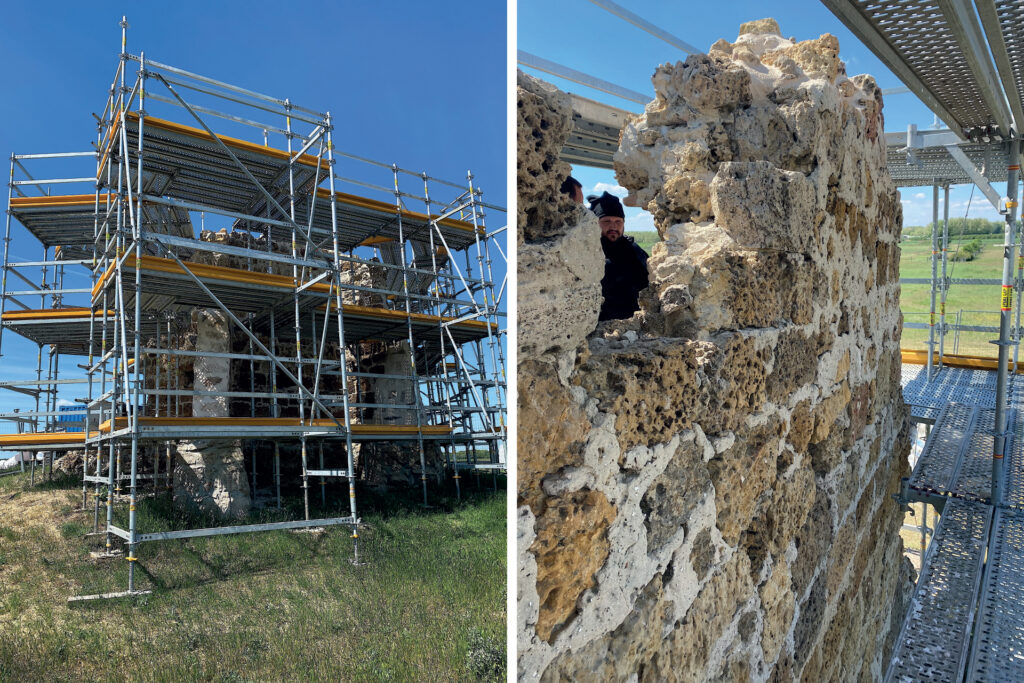
The architectural concept for the conservation of the monument was developed on the basis of the findings of comprehensive investigations. The primary design objective was to ensure the technically sound conservation and restoration of the ruins, while preserving their inherent aesthetic and historical values and the harmonious relationship between the poetic ruin and its landscape setting, as well as giving restrained emphasis to the site’s sacred character. Every ruin enriches the landscape, its distinctive fragmentation lending character to the view and to the natural silhouette of the horizon. This is particularly true of the Pusztatemplom: with its sculptural mass and distinctive stonework, it is a true jewel of the Great Hungarian Plain.
Sculptural fragment
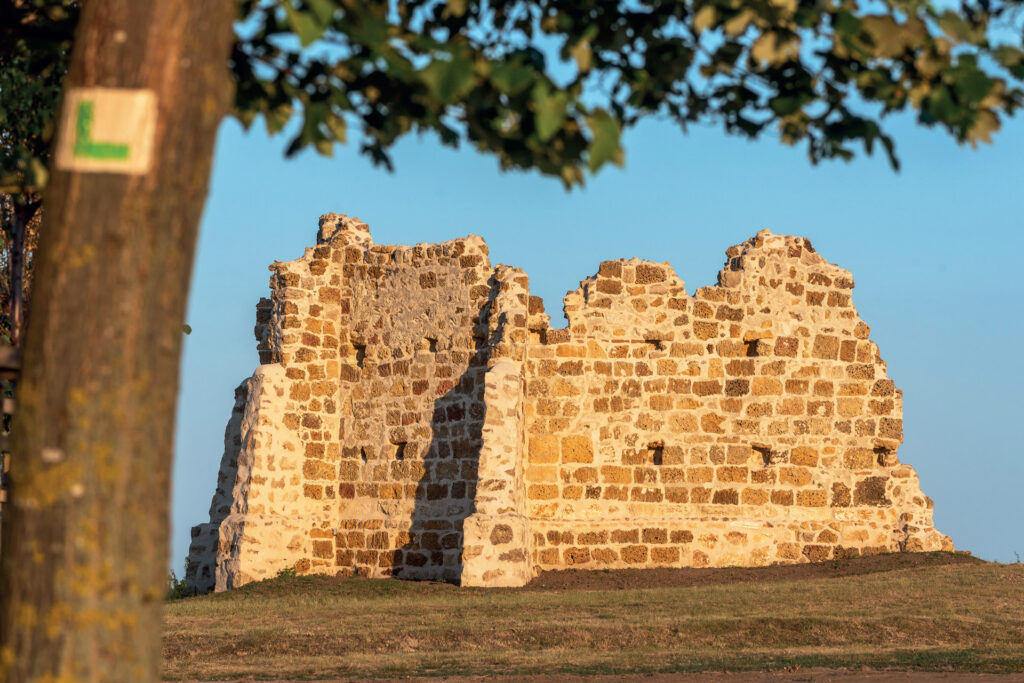
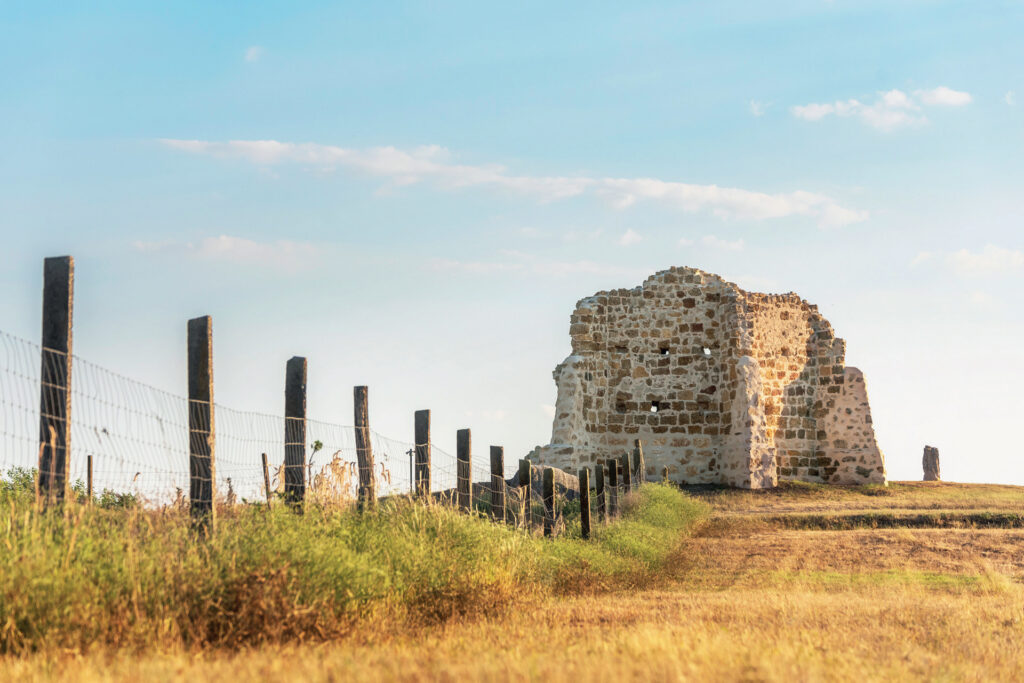
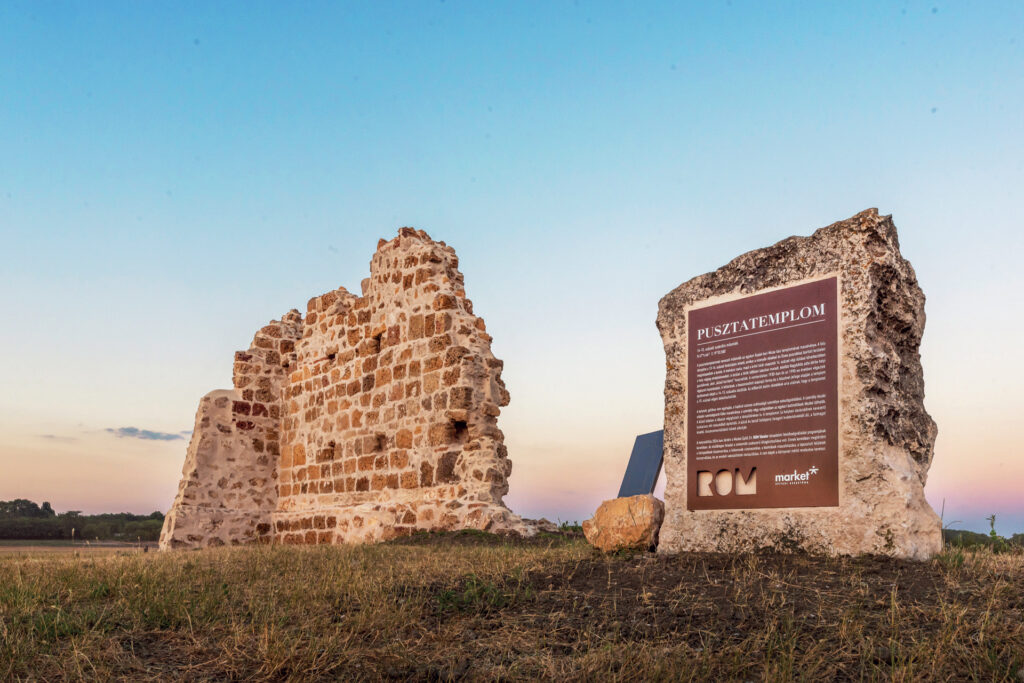
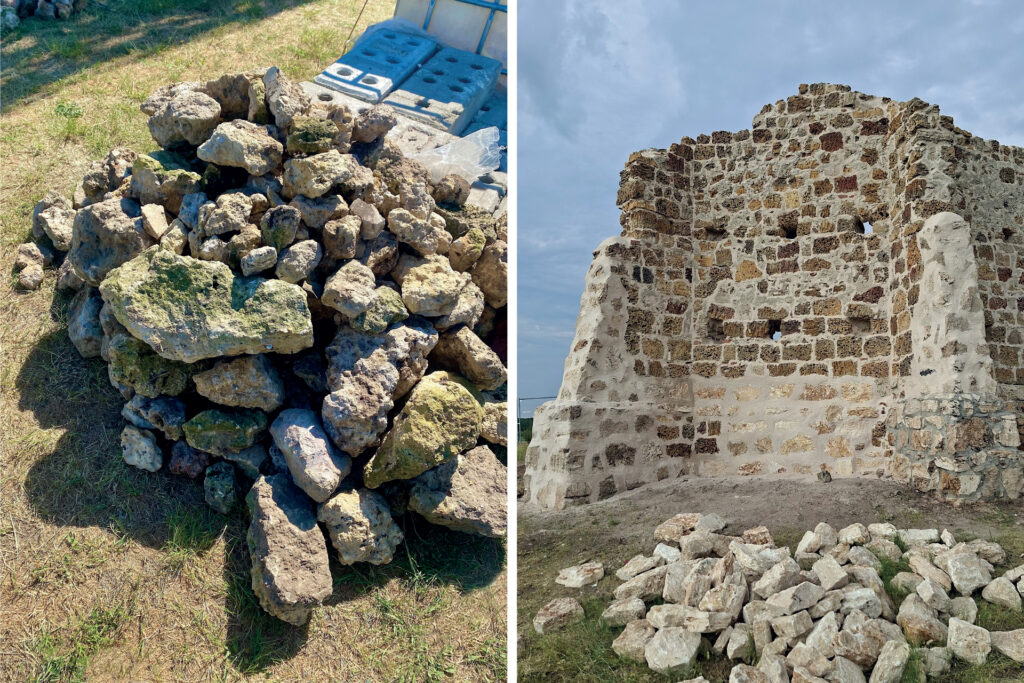
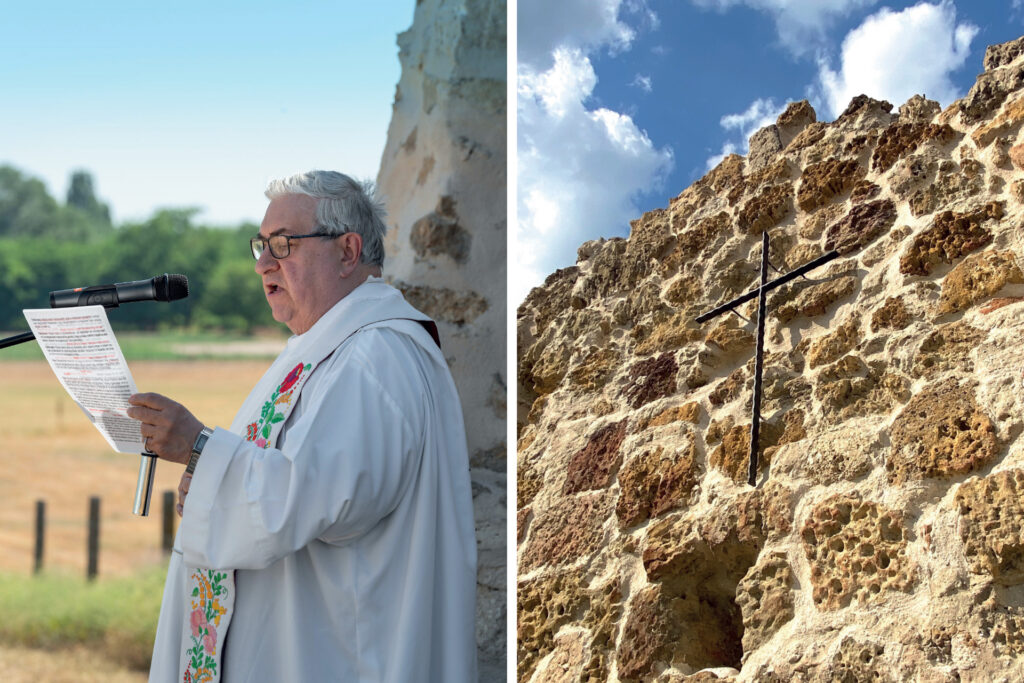
As part of the conservation works, cracks in the masonry were stitched, drainage was provided to the wall heads, areas of collapsed masonry were rebuilt, deteriorated surfaces were conserved, and surviving patches of original render were restored. The sacred character of the building is evoked by a wrought-iron cross installed at the site and candle holders placed within the former beam sockets.
“A time to cast away stones, and a time to gather stones together.”
(Ecclesiastes 3:5)
News of the restoration inspired an exceptionally moving collaboration with the local community. Several local residents donated pieces of porous meadow limestone, the very type of stone from which the walls of the church are believed originally to have been built. Every donated stone was incorporated into the masonry during the works. Who knows? Perhaps, after centuries of dispersal, one of these stones has now returned to its original place, helping to preserve our built heritage and pass it on to future generations.
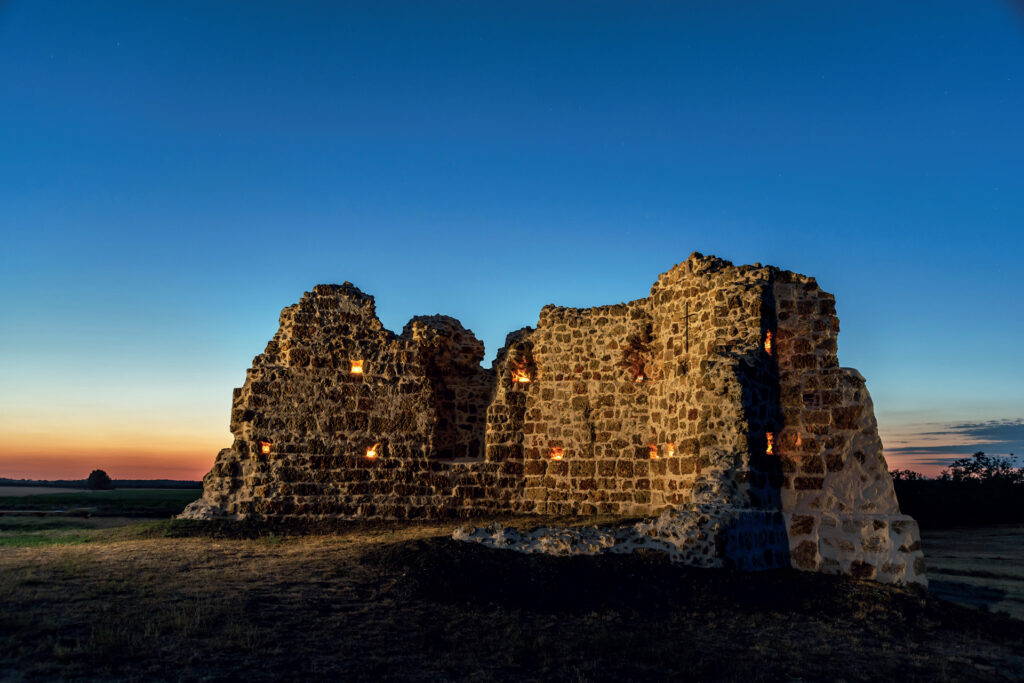
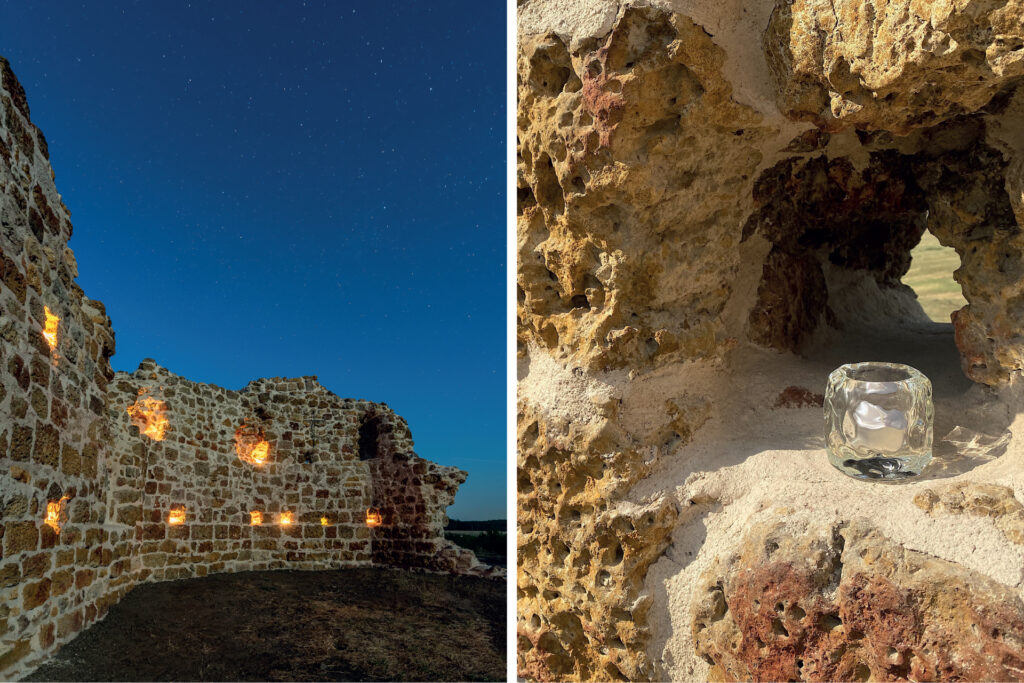
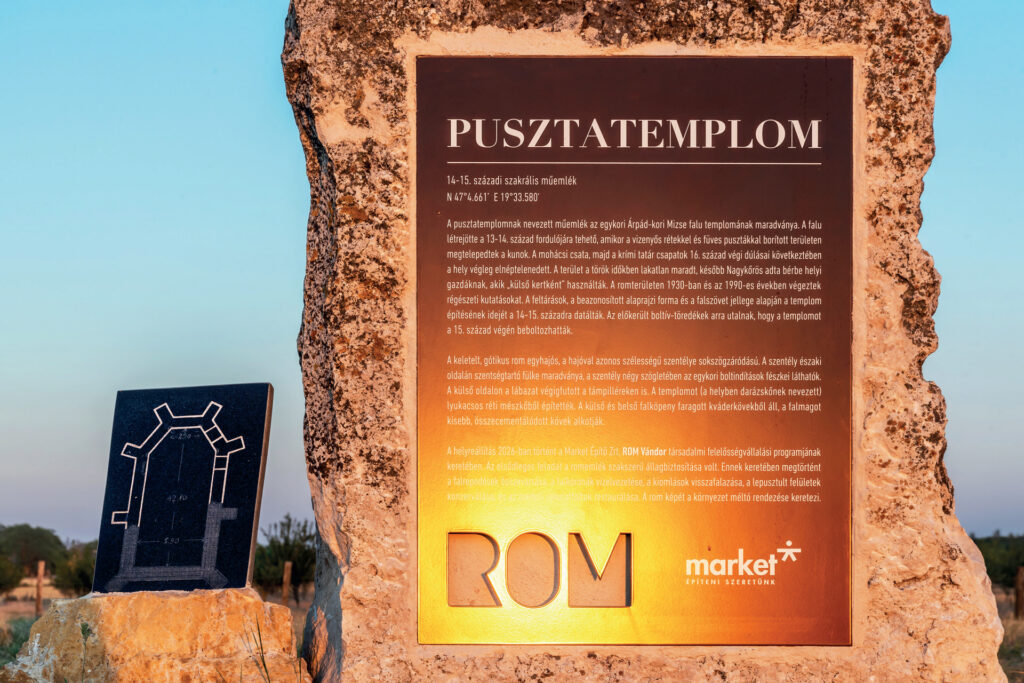
As at previous ROM Vándor sites, alongside the physical conservation of the monument, a fundamental objective was to ensure that the restored ruins could also serve as a spiritual space – a place for contemplation and prayer, encouraging personal reflection and moments of quiet, while also engaging a younger, more conscious generation. This concept resonates closely with travel trends of recent years, including ecotourism, zero-waste travel, the slow movement and urbex.
Sacredness
Retuned
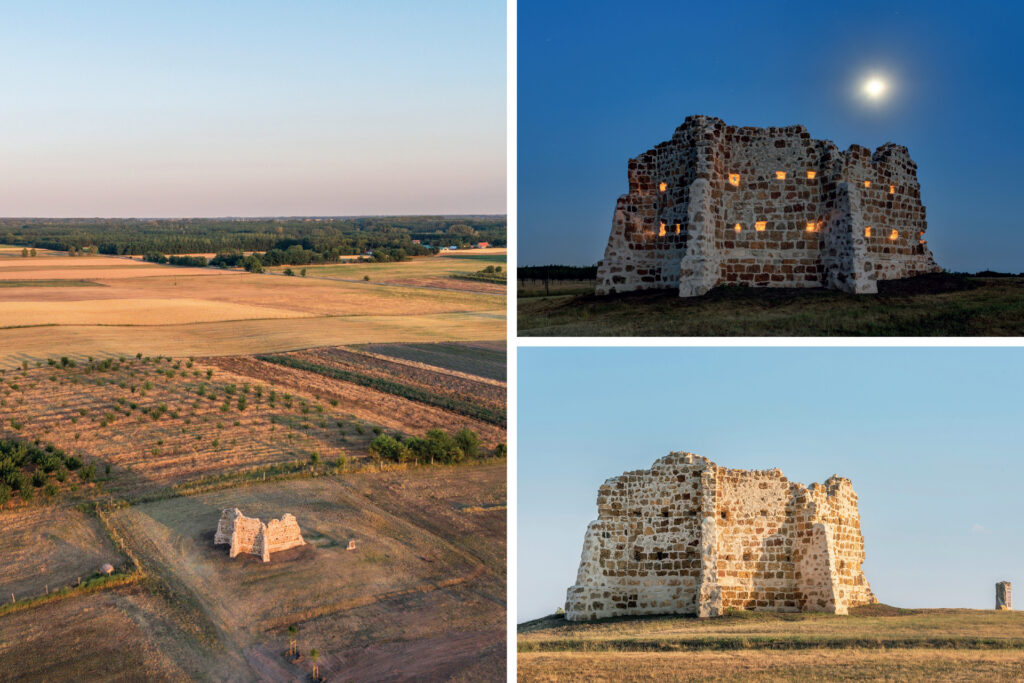
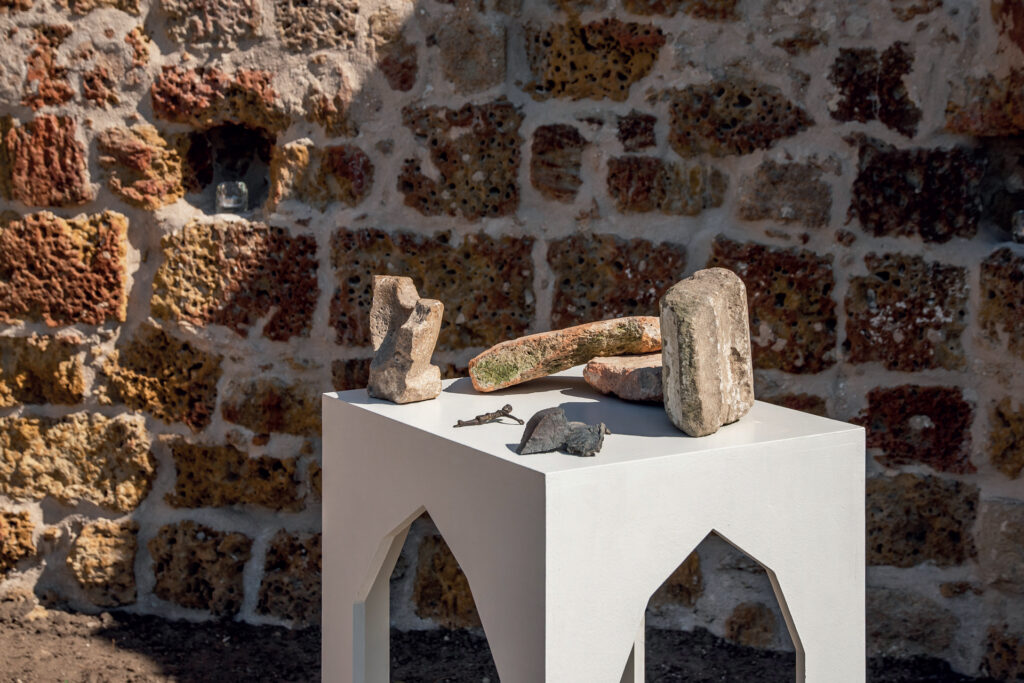
A significant proportion of Hungary’s centuries-old church and monastery ruins remain little known. Regrettably, there is no systematic state-level commitment or sufficient funding for their preservation, and in its absence these exceptional treasures of our shared heritage continue to deteriorate, placing their survival at risk. These architectural remains are not merely protected monuments: they are witnesses to a thousand years of cultural memory, irreplaceable fragments of our history.
A Celebration of the Ruins
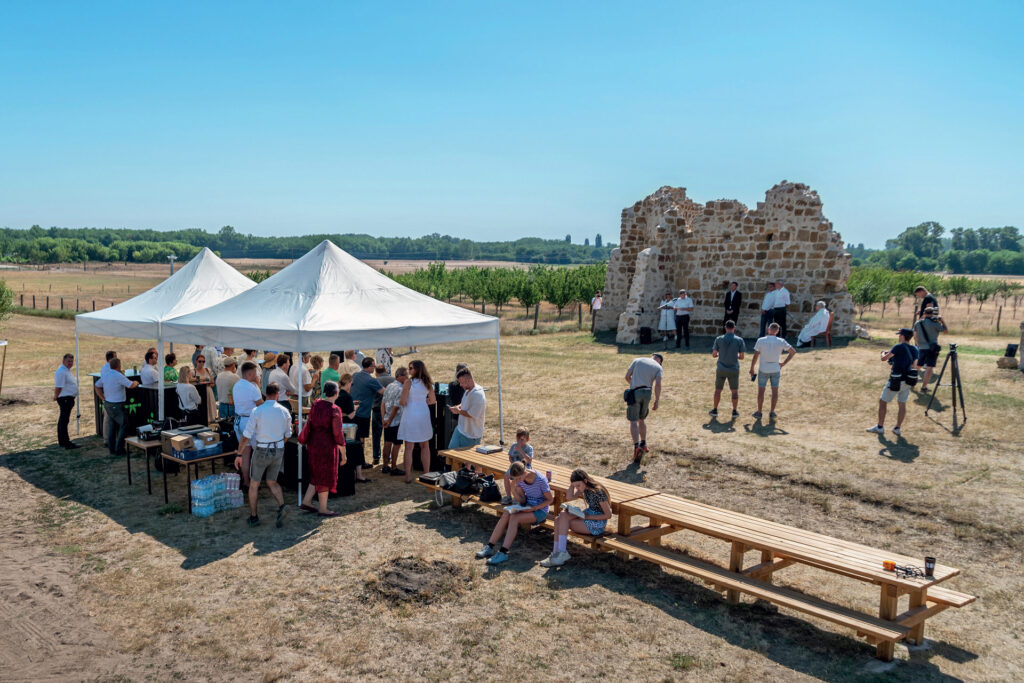
The restored heritage site was formally inaugurated at a ceremony open to the press. Speeches at the inauguration were delivered by Sándor Scheer, Founder and CEO of Market Építő Zrt.; Zsolt Fekete, Mayor of Lajosmizse; Dr. István Pánya, geographical researcher at the Katona József Museum in Kecskemét; and Péter Belecz, Programme Director of ROM Vándor. The blessing of the church ruins was conducted by parish priest István Süveges.
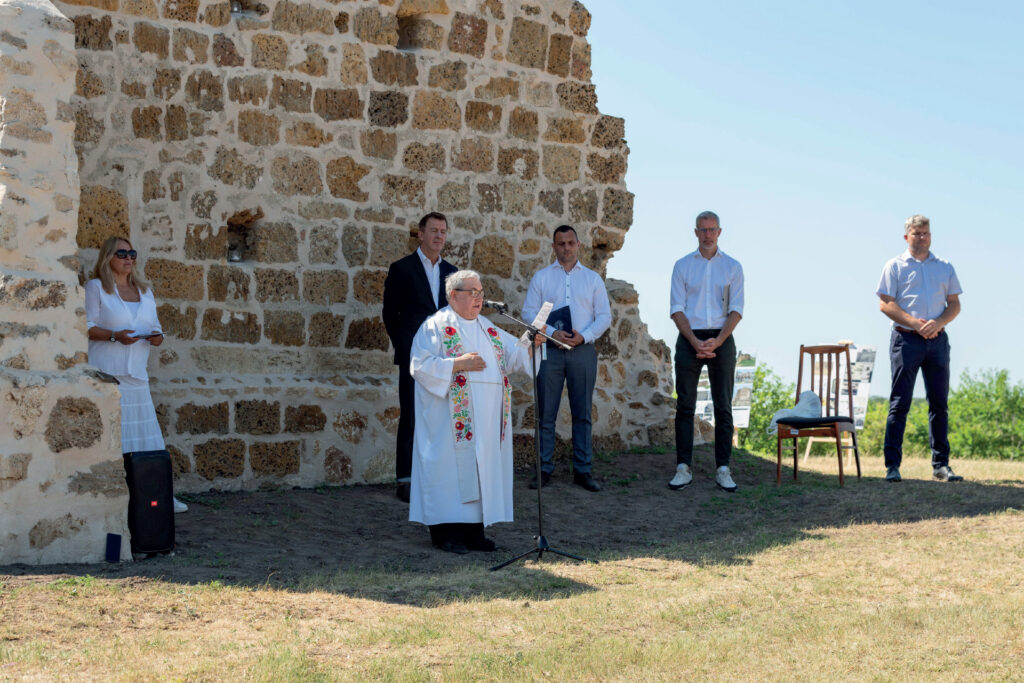
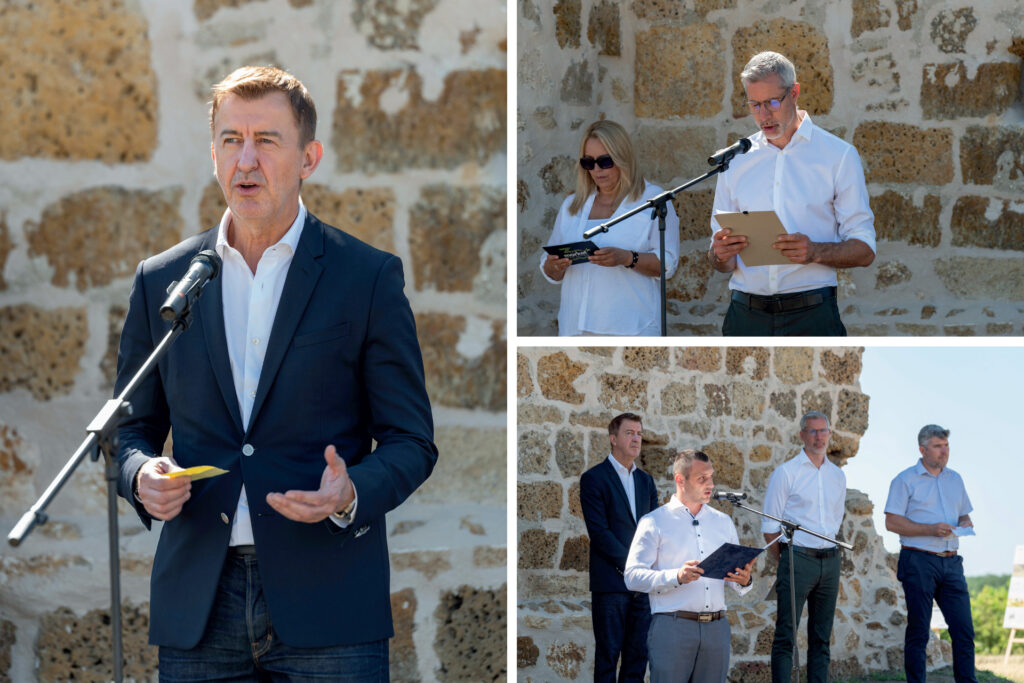
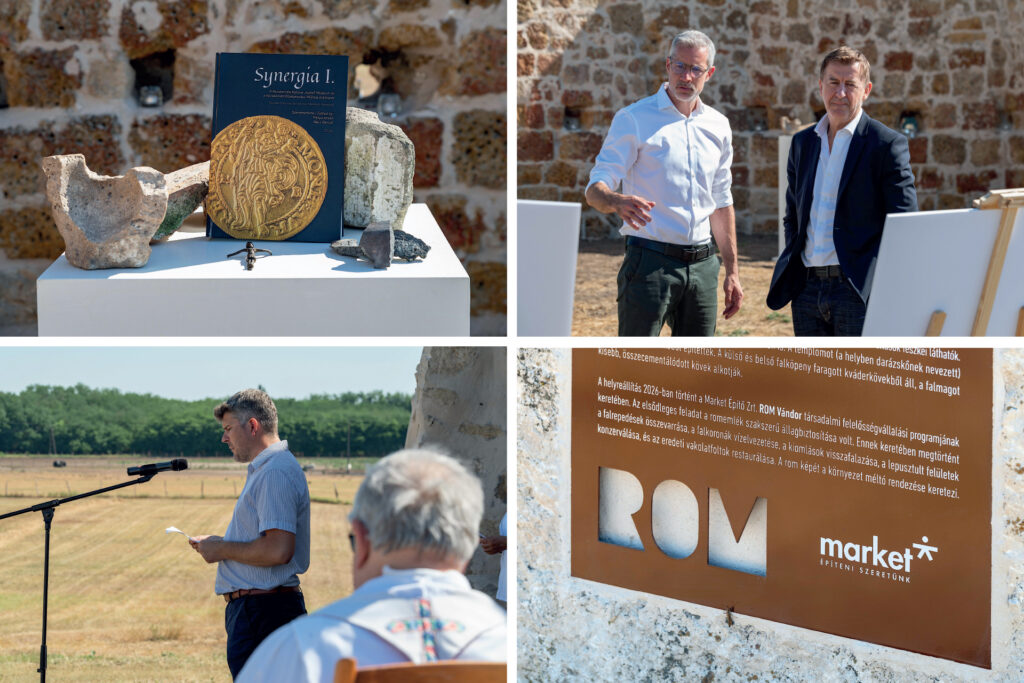
“The professional conservation of the Pusztatemplom at Lajosmizse marks the seventh historic monument that our company has saved as part of its corporate commitment to the public good. The significance of this work is heightened by the fact that, owing to the destruction suffered by this region throughout history, very few examples of medieval sacred architecture have survived here. Every stone saved and reinstated, and every detail restored, therefore represents an irreplaceable part of our heritage. From now on, this 14th-century monument will once again serve as a strong pillar of local identity, as well as a new visitor destination.” – said Sándor Scheer, Founder and CEO of Market Építő Zrt.
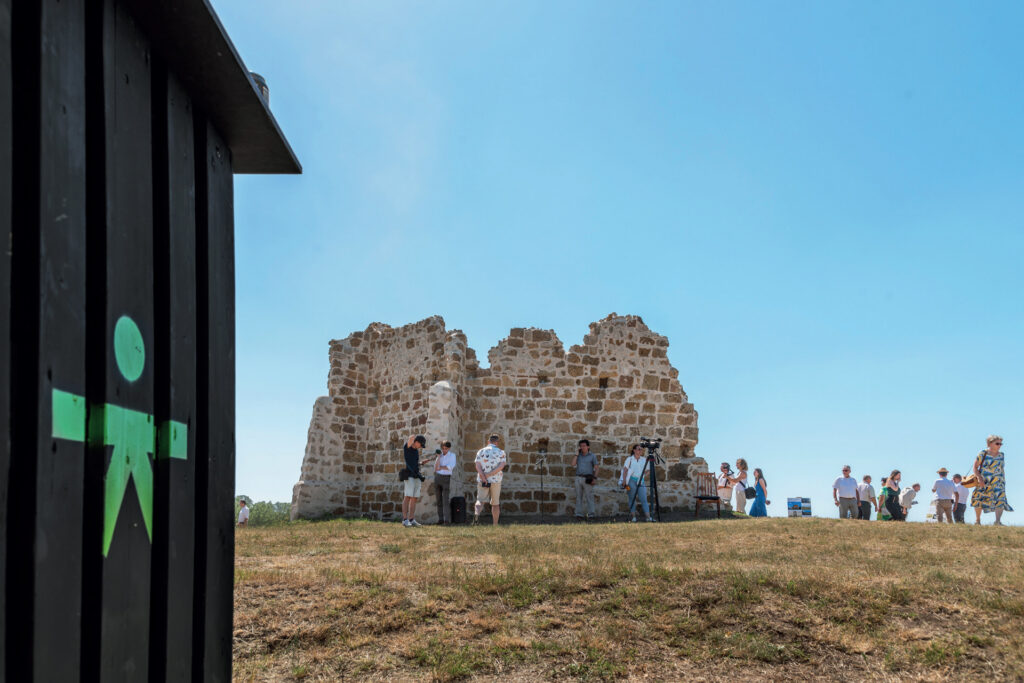
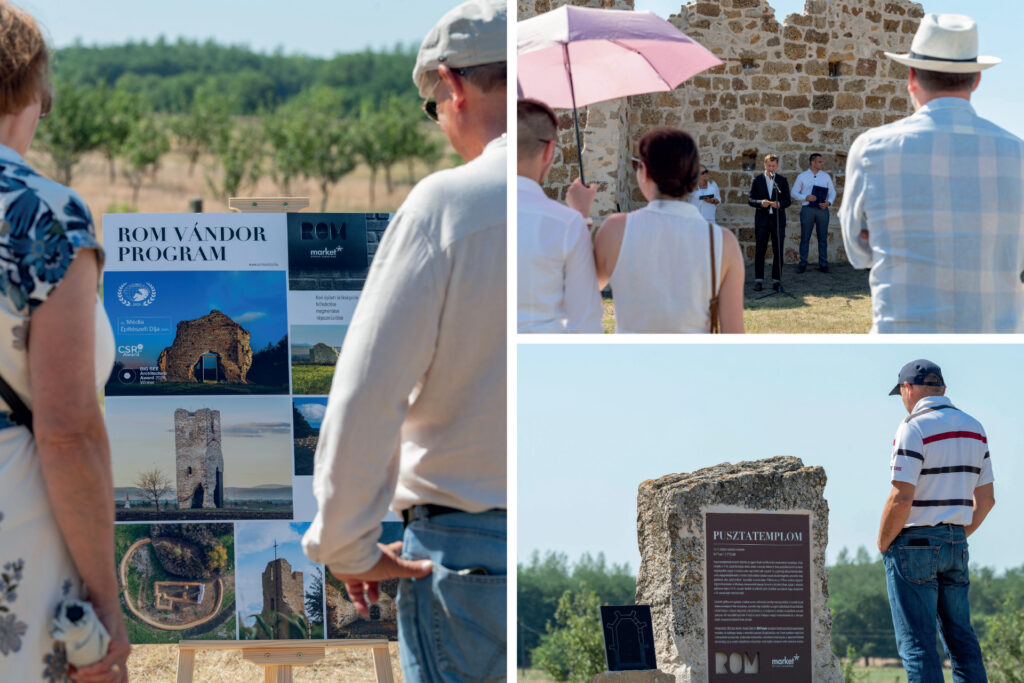
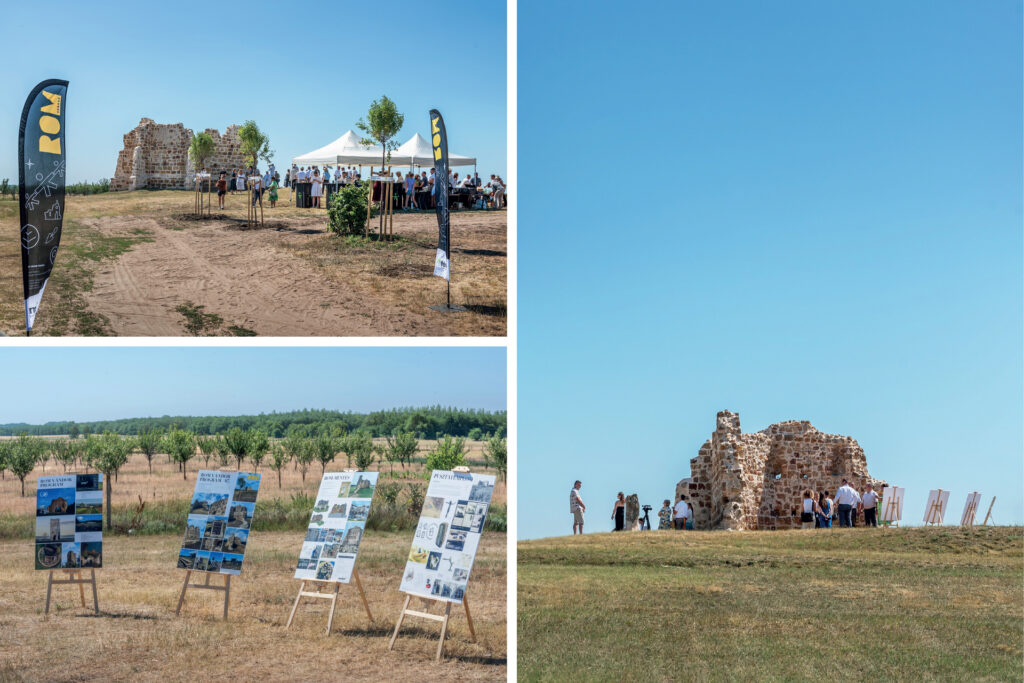
“Through our heritage conservation programme for the public good, we seek to draw society’s attention – alongside our state-funded castle ruins – to the endangered legacy of our medieval monuments. Our aim is to champion and promote, almost as a movement, these witnesses to our shared cultural heritage: our poetic church ruins.” – said Péter Belecz, Programme Director of ROM Vándor.
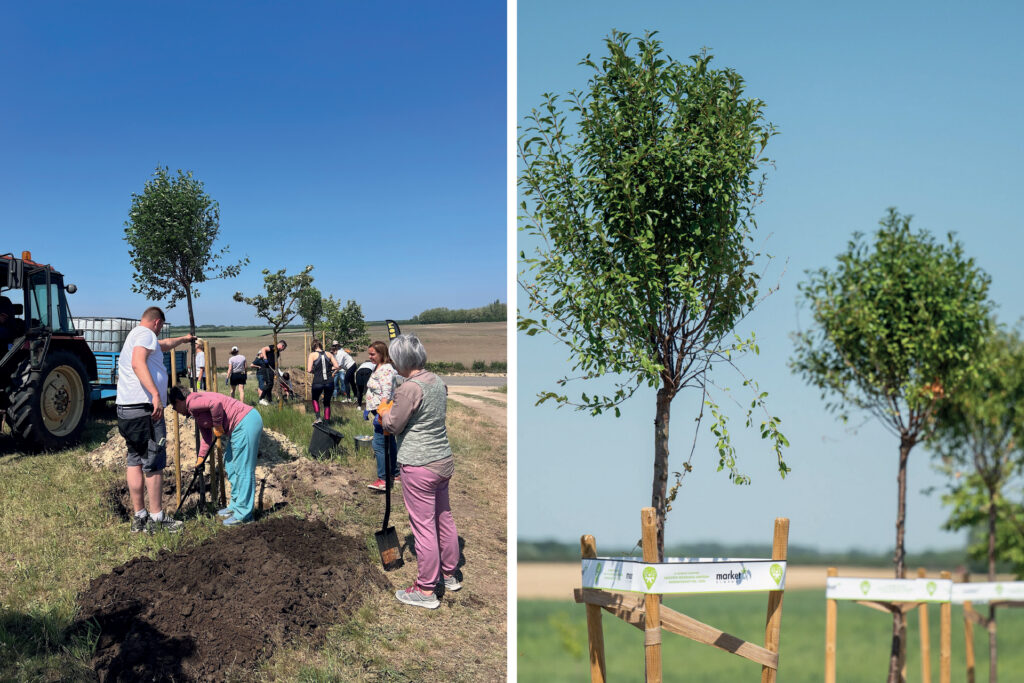
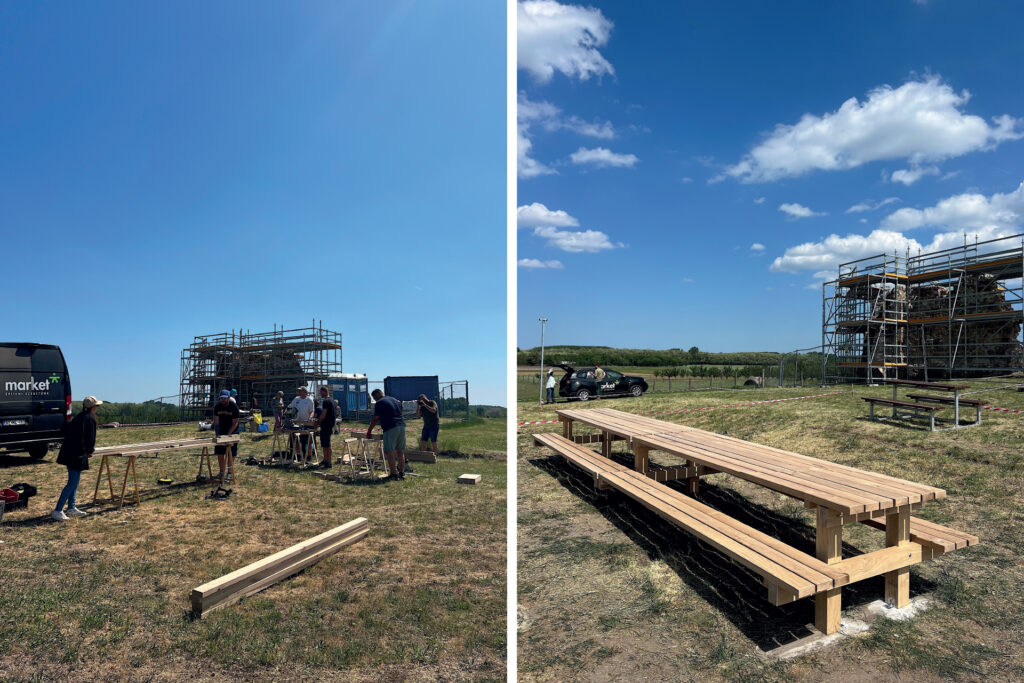
As part of the landscaping works, employee volunteers planted twelve Mahaleb cherry trees along the access road leading to the ruins. In addition, a large oak table and bench were installed within the monument grounds. This outdoor furniture ensemble provides a fitting and comfortable resting place for travellers and visitors making their way to the historic site.
The 2026 restoration was fully financed, coordinated and carried out by Market Építő Zrt., drawing on the Market Group’s comprehensive construction expertise and range of services. From research and statutory approvals through to the execution of the works, every stage of the project was delivered either “in-house” or in close collaboration with specialist partners. The ROM Vándor programme combines a commitment to heritage conservation and the safeguarding of cultural assets for the public good with a distinctive approach to corporate social responsibility and genuine community building.

ROM Vándor 07 / Lajosmizse, Pusztatemplom
Main Contractor and 100% Financier of the Project: Market Építő Zrt.
Programme Director: Péter Belecz
Project Manager: Tamás Krenn
Site Manager: Tamás Szabadosi
Technical Estimation Engineer: Ágnes Jung
Head of Sponsorship and CSR: Edit Nagy
Partners:
Design: Bálint Kelemen, Lead Architect Designer (KÖZTI Zrt.)
Junior Architect: Kata Molnár (KÖZTI Zrt.)
Structural Engineer: Péter Váczi (KÖZTI Zrt.)
Material analysis: BME / dr. Fenyvesi és Társa Kft.
Scientific documentation, archaeology: Ádám Arnóth
Restorer: Gábor Bánfi
3D point cloud, orthophoto: Tibor Szappanyos / Kvalitron Kft.
Conservation mortar: MAPEI Kft. / Mape-Antique Allettamento
A ROM Vándor program hetedik állomásaként újult meg a 14. századi Pusztatemplom (The 14th-century Pusztatemplom restored as the seventh site of the ROM Vándor Programme)
A ROM Vándor program hetedik állomásaként újult meg a 14. századi Pusztatemplom (The 14th-century Pusztatemplom restored as the seventh site of the ROM Vándor Programme)
Ahol a puszta visszakapta templomát – a Market ROM Vándor értékmentése Lajosmizsén (x) | National Geographic (Where the Puszta Regained Its Church – Market’s ROM Vándor Heritage Conservation Project in Lajosmizse)
A vándor alföldi romra talált | Országút (The Wanderer Finds a Ruin on the Great Hungarian Plain)
Image sources:
ROM Vándor Project Team
Scientific Building History Documentation and Heritage Inventory (KÖZTI Zrt., 2026)
Katona József Museum, Kecskemét (Operations and Archaeology Department)
Attila Gulyás